
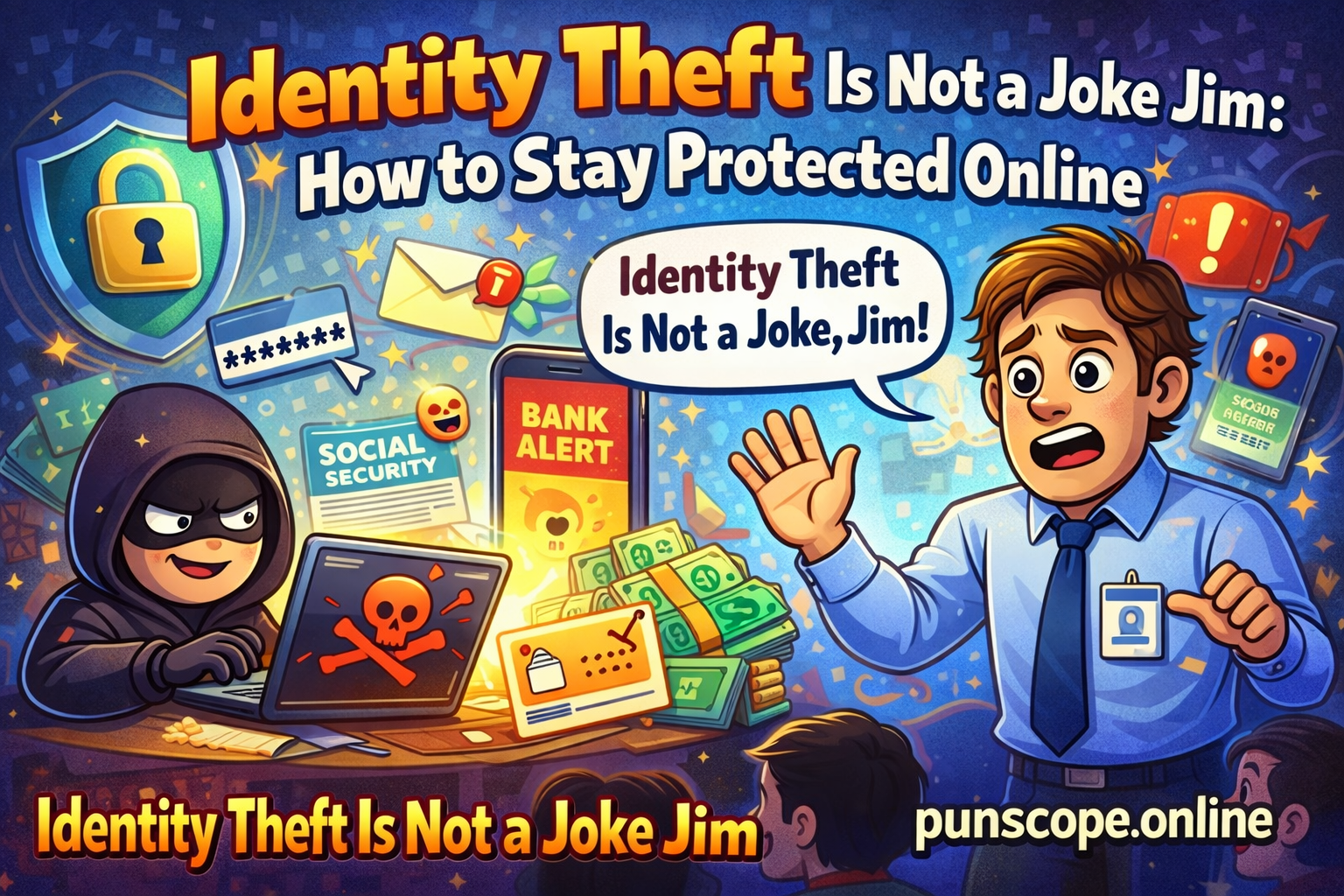
If you thought identity theft was just a punchline from a viral meme, think again. Identity Theft Is Not a Joke Jim—it’s a serious cybercrime that affects millions of people every year. From stolen bank accounts to fraudulent social media profiles, digital impersonation can wreck your finances and reputation faster than a bad tweet goes viral.
Luckily, awareness and smart practices are your best defense. By understanding scams, securing passwords, and monitoring accounts, you can keep your digital identity safe. Let’s break it down with tips, examples, and a sprinkle of humor so it actually sticks.
What “Identity Theft Is Not a Joke Jim” Means 🕵️♂️
The phrase comes from a viral moment highlighting how identity theft is serious business—even when joked about in memes or pop culture. Identity theft occurs when someone steals your personal information, like Social Security numbers, bank info, or login credentials, to commit fraud.
People enjoy memes about it because humor makes a scary topic easier to digest, but behind the laughs lies a real risk. Understanding phishing, cyber scams, and password hygiene is key.
Semantic/LSI keywords: online security, data breach prevention, cybercrime tips, digital identity protection
Top Tips, Puns & Insights About Identity Theft 🛡️
Here’s a breakdown with 18+ punny, informative, and shareable headings, each with 10 actionable tips or jokes. US, UK, AU, and CA relevance included where possible.
Strong Passwords Are Your Superhero Cape 🦸
-
Password123 is officially retired—thank goodness.
-
Combine letters, numbers, symbols; make hackers cry.
-
Use passphrases like “CoffeeIsLife!2026” for memorability.
-
Never reuse passwords across accounts—it’s digital Russian roulette.
-
Consider a password manager; your brain deserves a break.
-
MFA (Multi-Factor Authentication) = extra invisibility cloak.
-
UK banking apps love SMS codes—enable them.
-
AU users: strong passwords prevent sneaky online scams.
-
CA residents: long passphrases work wonders on financial portals.
-
Treat your password like your toothbrush—don’t share it.
Phishing Scams Are Clumsy Hookers 🎣
-
“Your account has been hacked” emails are traps.
-
Hover over links; URL mismatches are red flags.
-
Bank texts rarely ask for your PIN via message.
-
Pop-ups claiming free gifts? Nope.
-
US phishing scams often mimic PayPal or Apple.
-
UK scammers love fake HMRC emails.
-
AU scams pretend to be Centrelink or Netflix.
-
CA emails imitate CRA or banks.
-
Check email sender addresses carefully.
-
Laugh at spam, but don’t click—it bites.
Public Wi-Fi Isn’t Free Security 🛡️📶
-
Open Wi-Fi = hacker playground.
-
Use a VPN when browsing in cafes or airports.
-
Avoid logging into banks on public networks.
-
AU travelers beware of sketchy hotel Wi-Fi.
-
US users: airports are prime targets.
-
UK coffee chains = social engineering hubs.
-
CA libraries: free Wi-Fi, paid risks.
-
Never auto-connect to unknown networks.
-
HTTPS websites = safer than HTTP.
-
Share memes, not credentials.
Social Media Oversharing Can Backfire 🤳
-
Birthdays + hometown = identity jackpot for hackers.
-
Avoid posting your pet’s name—it’s a common security question.
-
Location check-ins = free data for thieves.
-
UK users: share vacation pics after you’re home.
-
AU users: be wary of Facebook quizzes—they collect answers.
-
CA: LinkedIn oversharing = target for professional scams.
-
Private accounts reduce visibility.
-
Strong privacy settings = hacker speed bump.
-
Refrain from posting government IDs online.
-
Humor about theft is fine; revealing info isn’t.
Monitoring Your Accounts Is Key 🔍
-
Check bank statements weekly.
-
Credit card alerts = free early warning.
-
Sign up for fraud monitoring services.
-
US: AnnualCreditReport.com provides free checks.
-
UK: Experian or Equifax alerts are handy.
-
AU: Equifax, illion reports are great tools.
-
CA: TransUnion, Equifax notifications.
-
Monitor social media for account misuse.
-
Set strong recovery options for email accounts.
-
Laugh when you catch a scam attempt early—it’s a victory.
Don’t Forget Mobile Security 📱
-
Lock your phone with passcode/biometrics.
-
Install official app stores only.
-
Avoid sketchy app downloads.
-
Keep OS updates current; patch those holes.
-
AU users: bank apps often push alerts.
-
US users: MFA for SMS alerts is lifesaver.
-
UK & CA: Anti-virus apps help stop spyware.
-
Lost phone? Remote wipe it immediately.
-
Avoid storing sensitive data locally.
-
Use humor apps for memes, not hackers.
Fraud Alerts Are Your Digital Sirens 🚨
-
Sign up with banks for real-time alerts.
-
Credit monitoring services = additional shield.
-
International alerts matter for US/UK/AU/CA.
-
Suspicious transactions should trigger instant review.
-
Don’t ignore minor account anomalies.
-
Alerts = early intervention, less stress.
-
Use email filters to reduce scam notifications.
-
Document alerts for legal protection.
-
Humor helps cope with minor panic alerts.
-
Treat alerts seriously—even if Jim jokes about it.
FAQs About Identity Theft 🔑
Q1: What does “Identity Theft Is Not a Joke Jim” mean?
It highlights the seriousness of identity theft, often cited in memes or videos to warn people about online scams.
Q2: How can I protect my personal info online?
Use strong passwords, MFA, secure Wi-Fi, and monitor accounts regularly.
Q3: Can identity theft happen through social media?
Yes, oversharing birthdays, pets, locations, and quizzes can expose you to fraud.
Q4: Are phishing emails always obvious?
No, scammers mimic official sources, so verify URLs and sender addresses carefully.
Q5: How do I recover from identity theft?
Report to banks, credit bureaus, and law enforcement; change passwords immediately.
Q6: Are identity theft risks global?
Yes, scams differ by region (US, UK, AU, CA), but digital protection is universal.
Q7: Should I use identity monitoring services?
Absolutely—they provide alerts, early warnings, and peace of mind.
Conclusion / Outro 💡
“Identity Theft Is Not a Joke Jim” may have started as a viral line, but the message is serious: stay vigilant, protect your accounts, and don’t let hackers turn your life into a punchline. Remember, sharing tips or discussing online safety is the new humor—laugh at the jokes, but guard your data like gold.
Encourage friends to review their online security, share this post, or comment with your funniest “almost got scammed” story. Humor helps, but awareness saves.